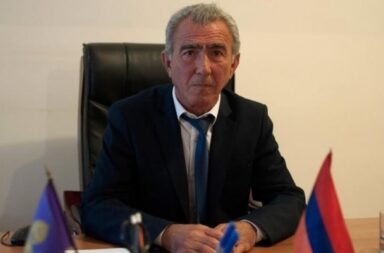
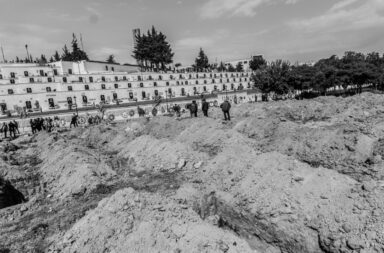
In 2010, Armenian civilian Manvel Saribekyan reportedly lost his way in heavy fog and crossed into Azerbaijan. He was captured, tortured, and died in Azerbaijani custody. Sixteen years later, Nikol Pashinyan is suggesting that an armed Azerbaijani serviceman who illegally entered Armenia and shot an Armenian mother may also have simply gotten lost.
The contrast is particularly striking given Azerbaijan’s documented treatment of Armenian captives and Pashinyan’s reluctance to link the serviceman’s detention to the release of Armenians still imprisoned in Baku.
On September 11, 2010, 20-year-old Manvel Saribekyan, a resident of Ttujur village in Armenia’s Gegharkunik region, reportedly became disoriented in heavy fog while collecting firewood and searching for missing livestock near the border.
After crossing into Azerbaijan, he was captured by Azerbaijani forces. Rather than treating him as a civilian who had reportedly crossed the border accidentally, Azerbaijani authorities branded him a saboteur and accused him of plotting to bomb a village school.
Azerbaijani television broadcast footage of Saribekyan making statements that Armenian authorities said had been extracted through coercion.
On October 4, 2010, less than a month after his capture, Saribekyan was found dead in a military police detention facility in Baku. Azerbaijan claimed he had committed suicide.
That explanation was rejected by the European Court of Human Rights on January 30, 2020.
The Court established Azerbaijan’s responsibility for Saribekyan’s death and found that he had been subjected to torture in custody. Forensic evidence documented severe injuries, including head trauma and signs of repeated physical violence.
Sixteen years after Saribekyan’s capture, another border crossing has exposed a stark contrast.
On September 29, 2026, Azerbaijan notified Armenia’s National Security Service that one of its servicemen had left his military unit and might have crossed into Armenian territory. Despite the warning, residents of Shaki in Syunik were not publicly alerted.
On October 1, armed Azerbaijani serviceman Nasimi Musayev entered a civilian home in Shaki, nearly 20 kilometers from the nearest border.
Inside, he threatened the children and shot their mother, Ani Avetisyan, as she attempted to protect them. She suffered severe injuries, including the loss of three fingers, while two children were also injured.
Musayev was subsequently detained by Armenian authorities.
Yet on October 6, Pashinyan suggested that the Azerbaijani serviceman might have crossed into Armenia accidentally, citing difficult terrain and dense fog.
He also rejected linking Musayev’s case to the Armenian captives held in Baku, arguing that such exchanges could create difficulties if an Armenian soldier later crossed into Azerbaijan.
But an Armenian civilian who reportedly crossed the border by mistake in 2010 was accused of terrorism, tortured, and died in Azerbaijani custody. His family waited nearly a decade for an international court to establish Azerbaijan’s responsibility.
Musayev, meanwhile, is not simply a serviceman who crossed a border. He is accused of entering an Armenian family’s home and shooting a mother who was protecting her children.
Armenians remain illegally held in Baku, including former Artsakh leaders and military personnel captured following Azerbaijan’s September 2023 military attack and the forced displacement of Artsakh’s Armenian population.
Against that background, Pashinyan’s insistence on treating Musayev’s detention separately from their captivity raises serious questions about his government’s willingness to use the leverage available to secure their return.
The question is not whether Musayev became lost in the fog. It is why Pashinyan is emphasizing that possibility while dismissing the connection to Armenian captives held by a state whose record of torture and deaths in custody has already been established by an international court.