by Gohar Adamyan
The Purloined Letter Principle brought up by Edgar Allan Poe, suggests that the best place to hide a treasury item is the most obvious and “innocent” spot – in plain sight. Yerevan has one at its very heart, neighbouring the Republic Square. Should you show it to a local, one would get surprised, wondering if it truly belongs to Yerevan. The Hripsimian Gymnasium located at 6 King Pap street is the treasure.
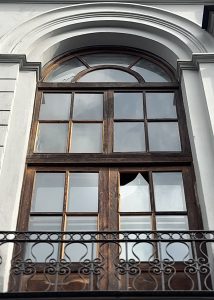
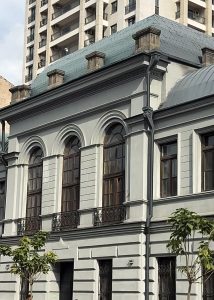
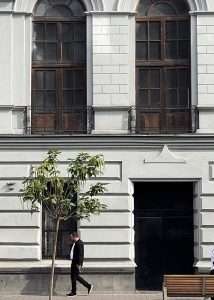
This building has been standing here even before Armenia’s First Republic. This used to be a school for girls, later progymnasium and eventually gymnasium, initially located on Nazarovskaya street. Founded in 1850 by the Yerevan branch of Caucasus Women’s Charity Organization after Saint Nina (Կովկասի սուրբ Նինայի անվան կանանց բարեգոծական ընկերության Երևանի վարչություն), it counts as one of the oldest and arguably the most beautiful buildings of Yerevan.
Where It Came From
The roots of the massive female-driven initiatives fall around 40 years back. During the 1812 Patriotic War between the Russian and French Empires, women happened to be the ones to massively take care of the war’s aftertaste. Large-scaled voluntary initiatives were set to feed the homeless, cure the wounded, and take care of the orphaned. During the post-war years these gradually got institutionalized and travelled across the region. And so in 1846 a noblewoman Elizaveta Vorontsova, wife of the Viceroy of the Caucasus, Prince Mikhail Vorontsov, founds the Caucasus Women’s Charity Organization after Saint Nina in Tbilisi. In a short period of time, the institution built schools for girls in Tbilisi, Kutaisi, Shamakhi, Gandzak, Baku, Stavropol. For founding a girls’ gymnasium in Yerevan, 200.000 rubles were allocated, which is approximately 3 million dollars today.
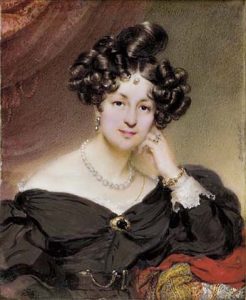
Elizaveta Ksaverievna Vorontsova
As of 1912, Yerevan had 5 educational institutions for general education and 27 specialized ones (Hakobyan T. H.,1978). Gymnasiums, progymnasiums, seminaries, and schools became vastly widespread around late 19th and early 20th centuries. Should we glance through the archival images of the buildings built by Yelizaveta Vorontsova’s organization, we can clearly see stylistic similarities.
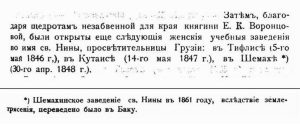
From the draft Charter of the St. Nina Women’s Charitable Society in Tiflis, approved by His Imperial Majesty in 1846 – § 3
As of 1912, Yerevan had 5 educational institutions for general education and 27 specialized ones (Hakobyan T. H.,1978). Gymnasiums, progymnasiums, seminaries, and schools became vastly widespread around late 19th and early 20th centuries. Should we glance through the archival images of the buildings built by Yelizaveta Vorontsova’s organization, we can clearly see stylistic similarities.
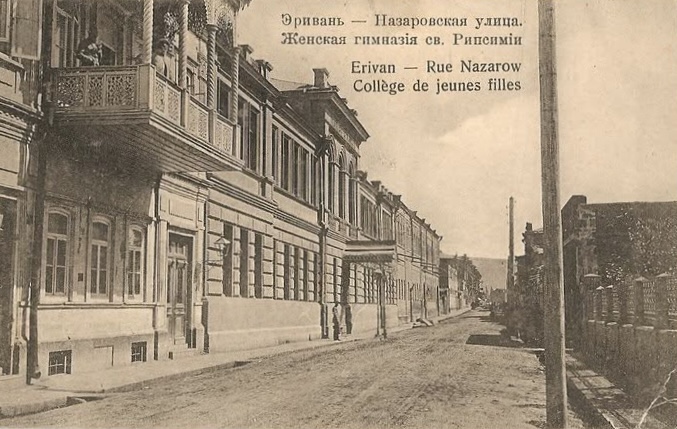
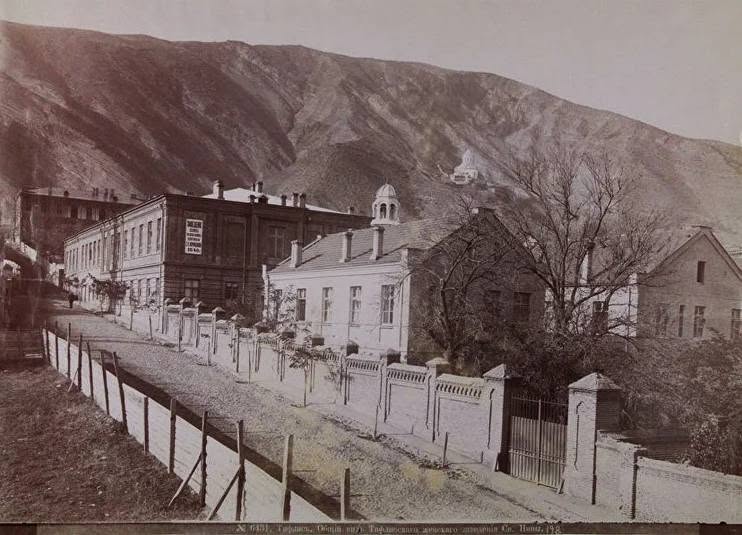
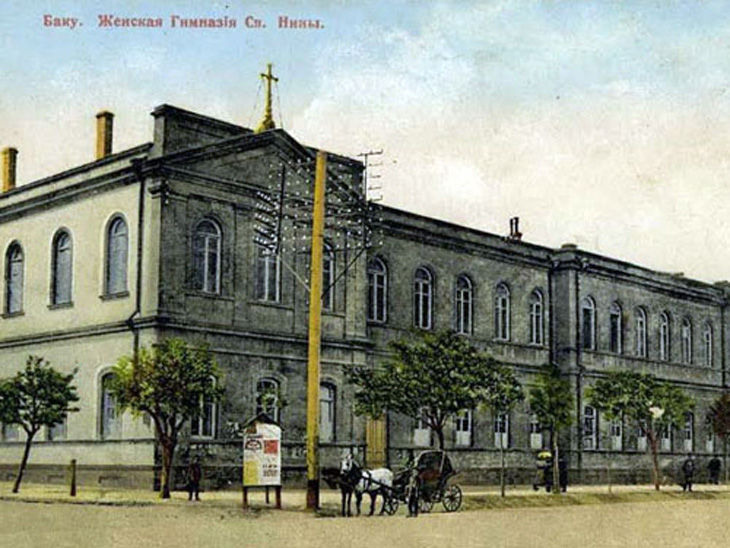
The Beauty Itself
According to Yerevan city plan of 1906-1911 (Bureau of Technical Inventory), the gymnasium took 42.3m of length over Nazarovskaya street (currently King Pap) and 2724sqm of area (original measurements indicate 20 fathoms of length and 600 sq fathoms of area).
Officially documented to being founded on 2 January, 1850, the gymnasium expanded its area through years. In 1884 by the order of the trustee of the Caucasus Educational District, the school became a three-grade progymnasium for girls. In 1894, the fourth class opens up. In 1989, middle- and high-school sections join. The school now having 7 full grades, along with the additional 8th grade with Russian and Maths divisions, considers a gymnasium (1904).
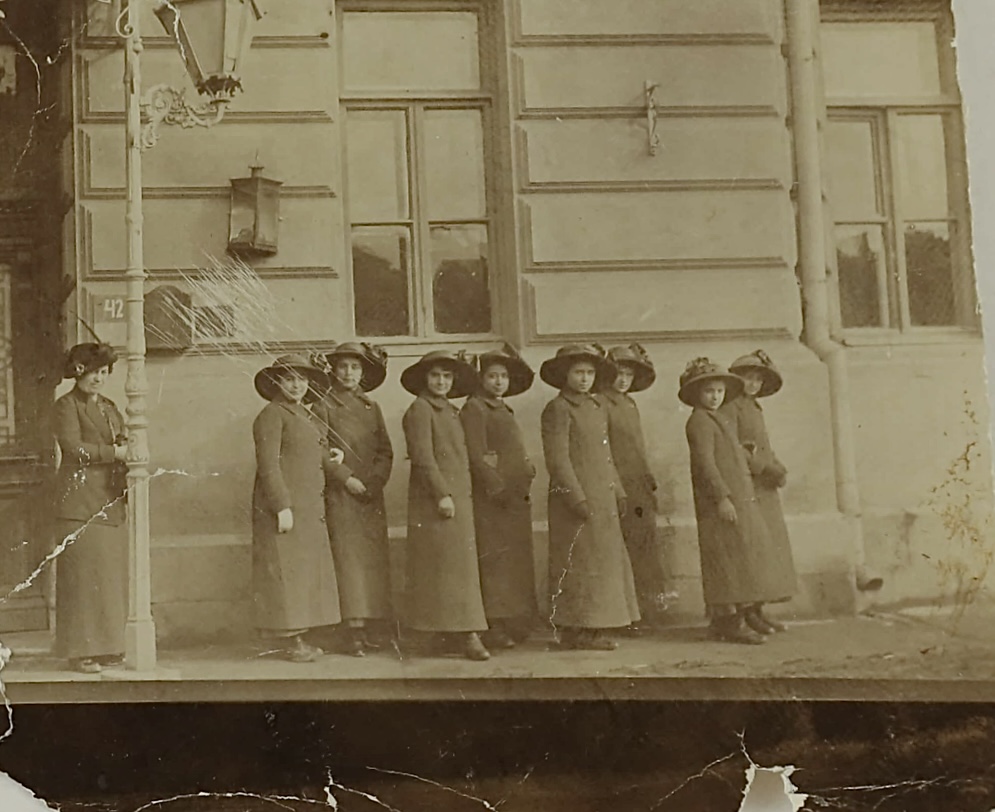
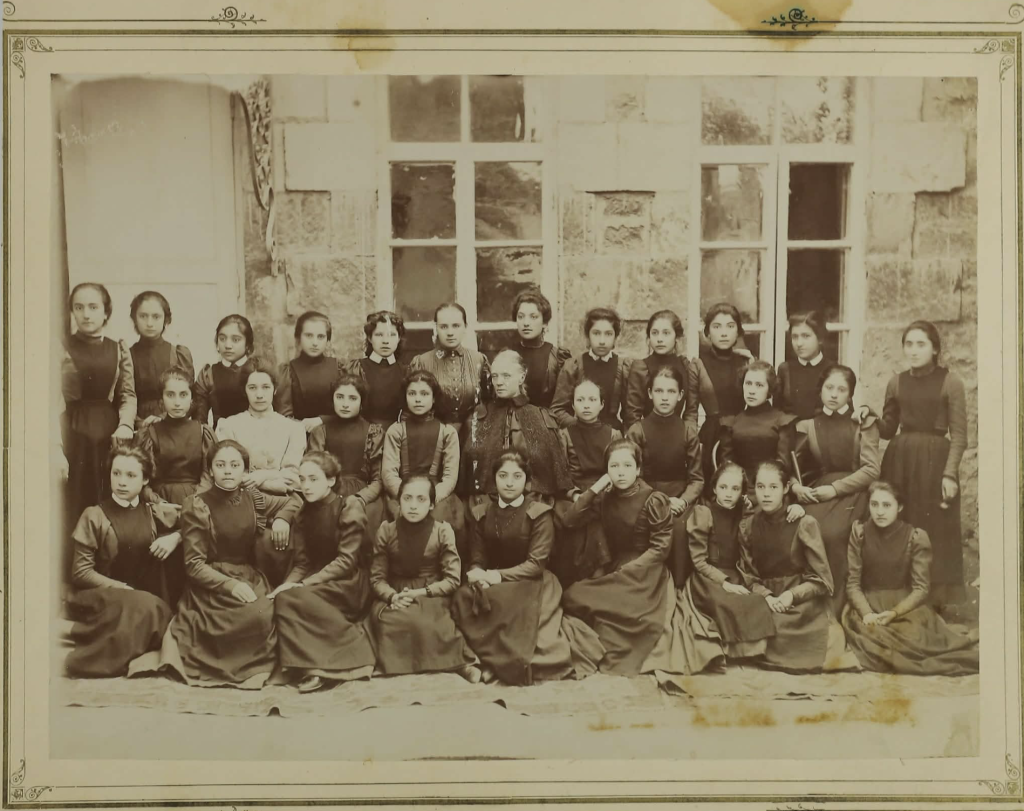
In 1884 Russian architect of German descent Michael von der Nonne, in 1892 Russian civl engineer Ivan Vagapov, and in 1898 Armenian architect Vasily Mirzoyan respectfully add up wing-buildings to the main corpus. It had classrooms, bedrooms, dining rooms, a library, a hospital, bathing rooms, as well as separate cabinets for the faculty and staff. In 1905 Vasily Mirzoyan adds two-floor cellar to the main corpus, where a warehouse and physics room located.
The building has 3.9m of ceiling height and 2.5m width in corridors. Average area of the classrooms was 50sqm. The building is said to have a large gallery hall with grand staircases leading there and a decorative grand entrance, which doesn’t exist now.
As of 1917-18 school year, the gymnasium had 526 students, 352 of which were Armenians and 119 Russians (Hakobyan T. H.,1978). The school was quite a prestigious place. The tuition fee for education and boarding school was high enough for the time – 50-100 rubles. Girls were being taught Religion, Geography, Arithmetics, Handcraft, Music, Sciences, and languages. Before Armenia’s First Independence in 1918, the official language of instruction was Russian, which then became Armenian. Since then, the gymnasium has become two-gender.
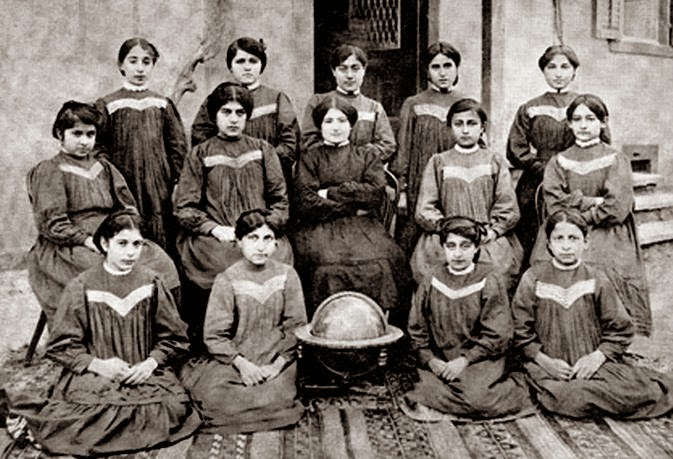
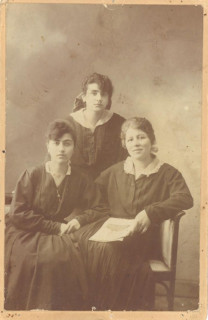
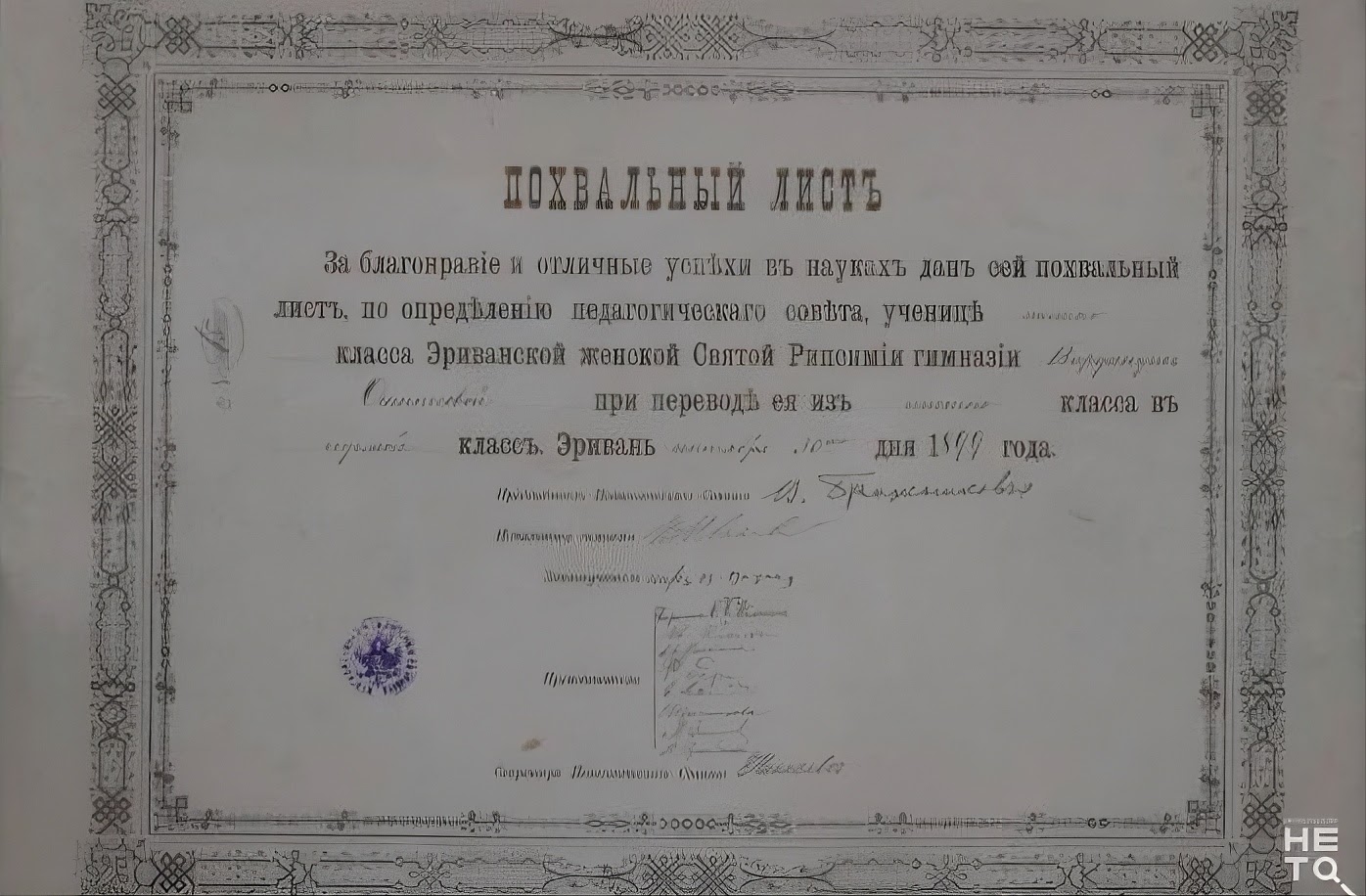
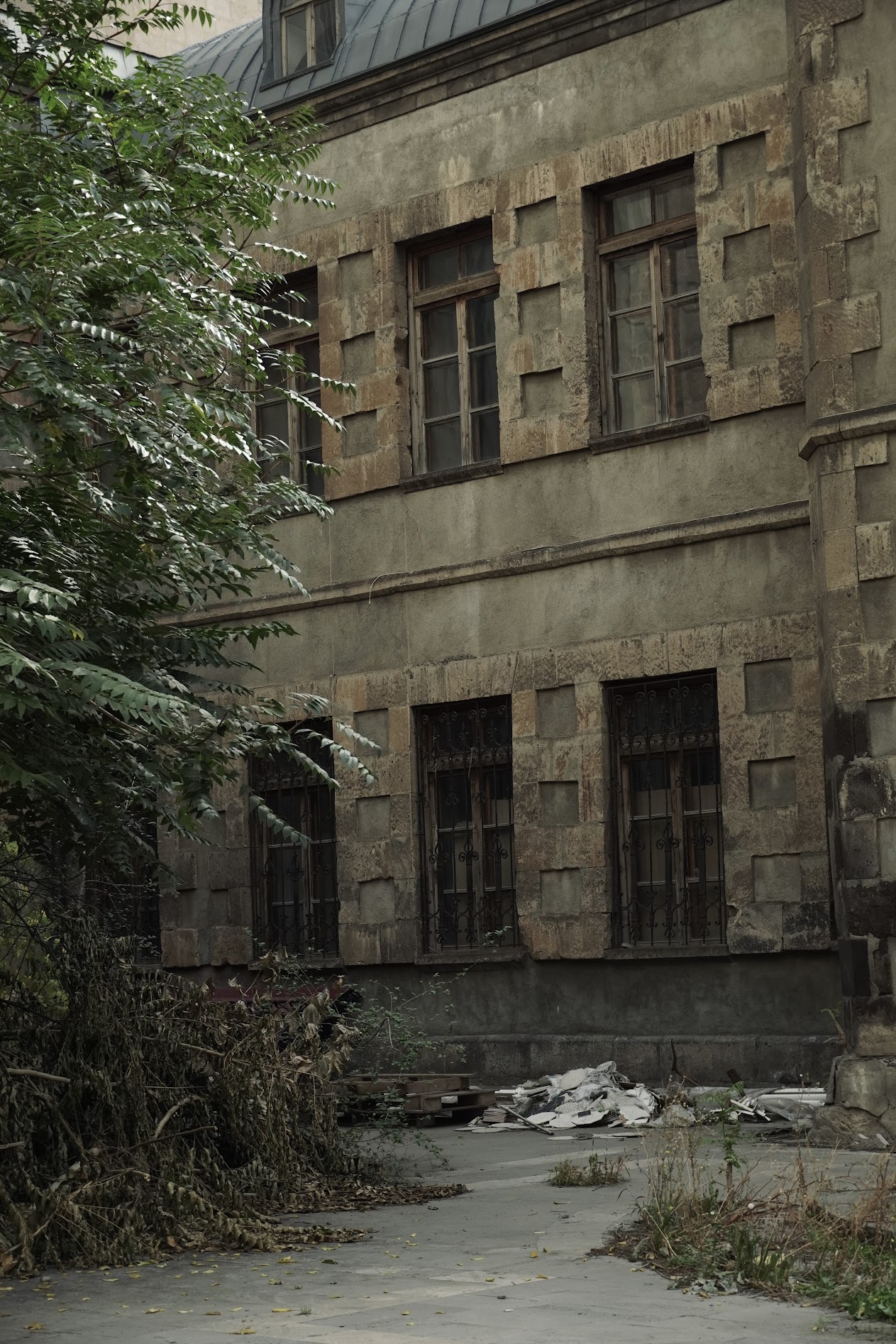
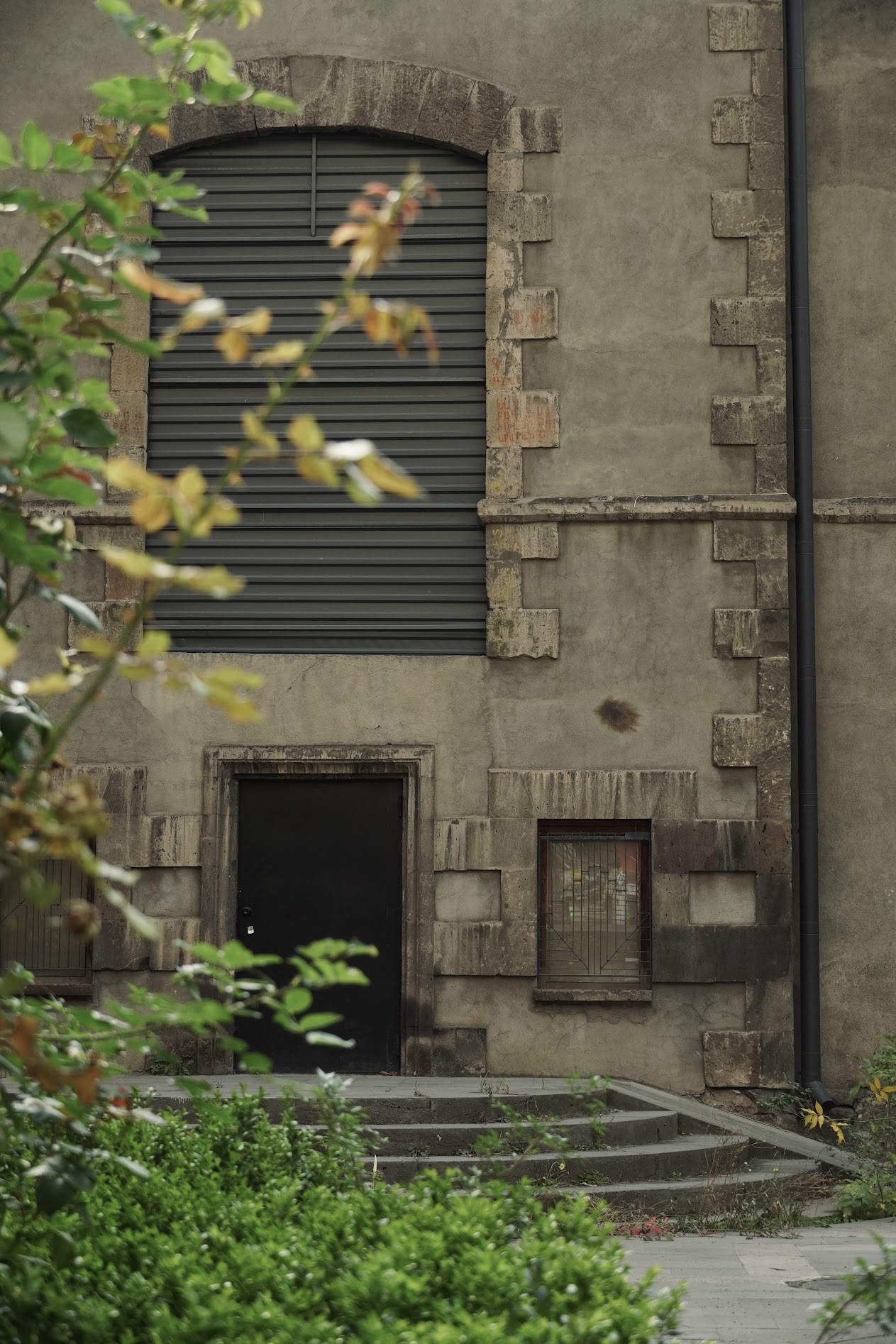
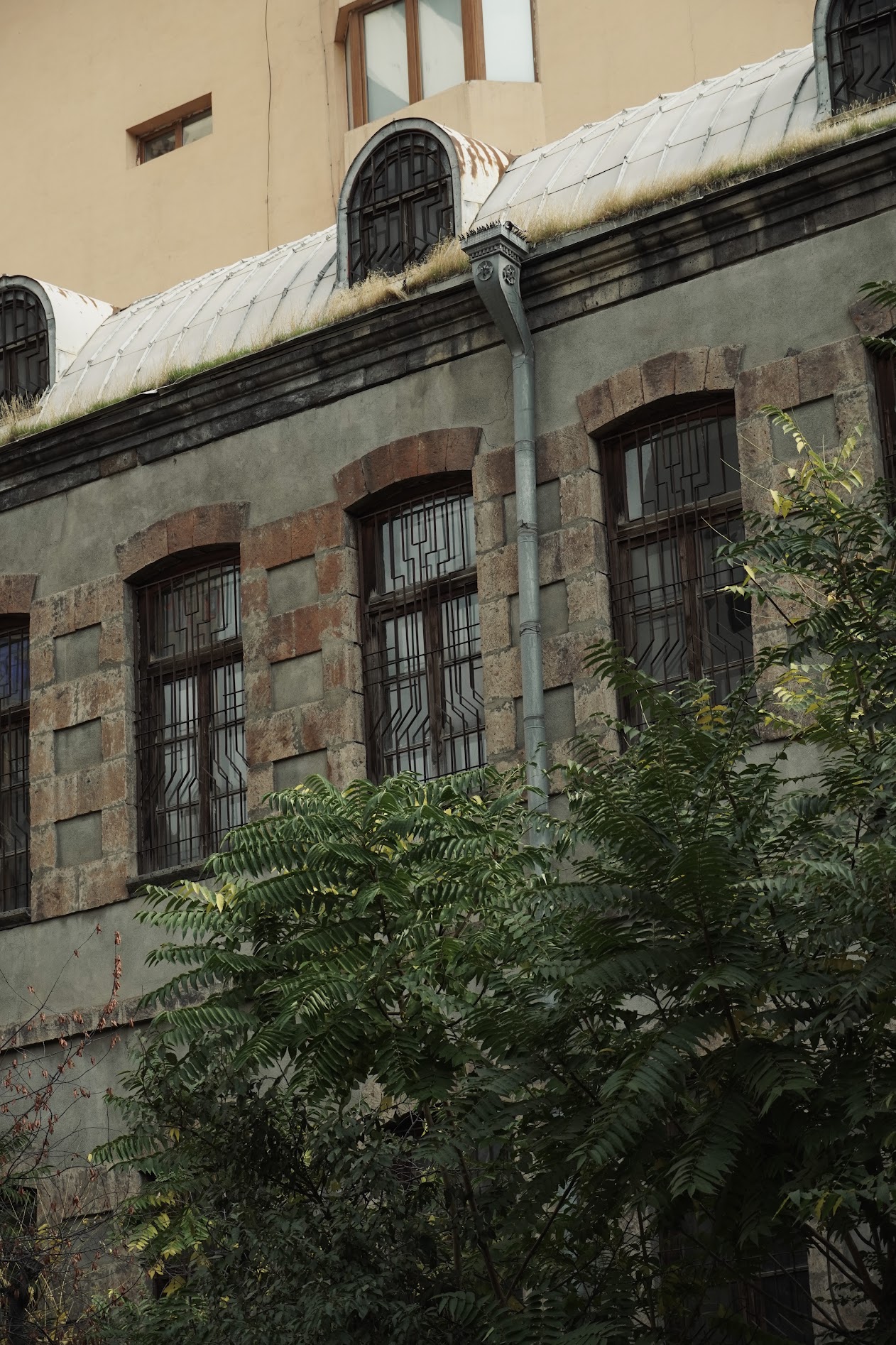
On the facade, the gymnasium has grand arches, dormer windows popping out, minimal Yerevanian columns. The backyard is quite large, falling in-between the Г-shaped wings, where wild roses grow now. After 170 years now, the Gymnasium is packed with residential buildings from all sides.
What Happened After
After the declaration of the First Republic, the building served as the Ministry of Social Welfare and Labor of Armenia for only two years (1918-1920). During Soviet years, the building was dedicated to educational and cultural initiatives. In 1940 the building was allocated to the Pedagogical Institute after Valery Brusov for a few months.
In 1982 renovation started, to move Yerevan History Museum from the Blue Mosque.
In 1892 decision was made by the Executive Committee of the Yerevan City Council, to hand the building to the Yerevan History Museum. At the time, the museum was located in the Blue Mosque since 1936. And so, renovation starts ahead of welcoming the museum, however the staff barely moves here only after 12 years – in 1994, yet without operating at its fullest.
What Now
Vache Manukyan in Matenadaran, Yerevan
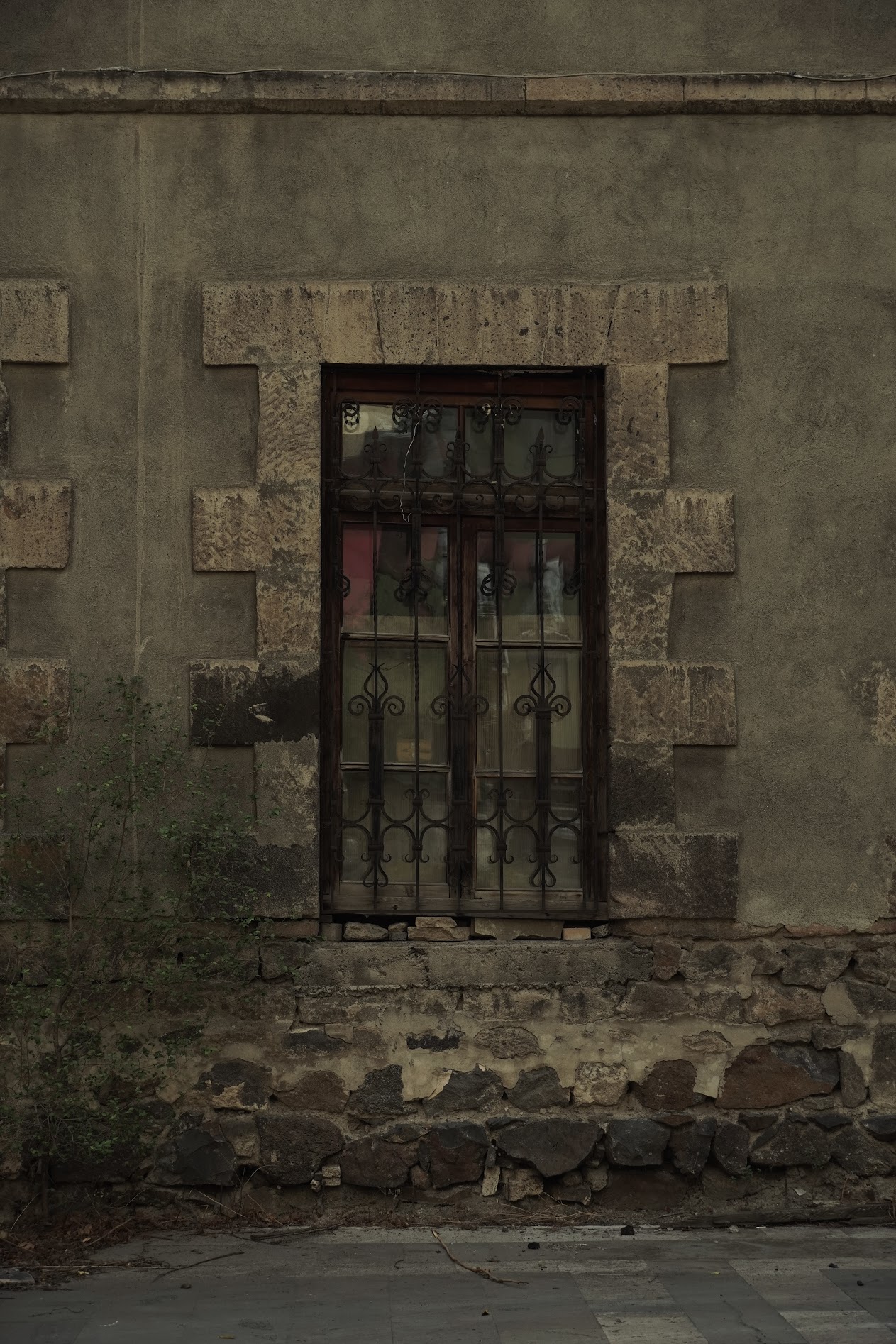
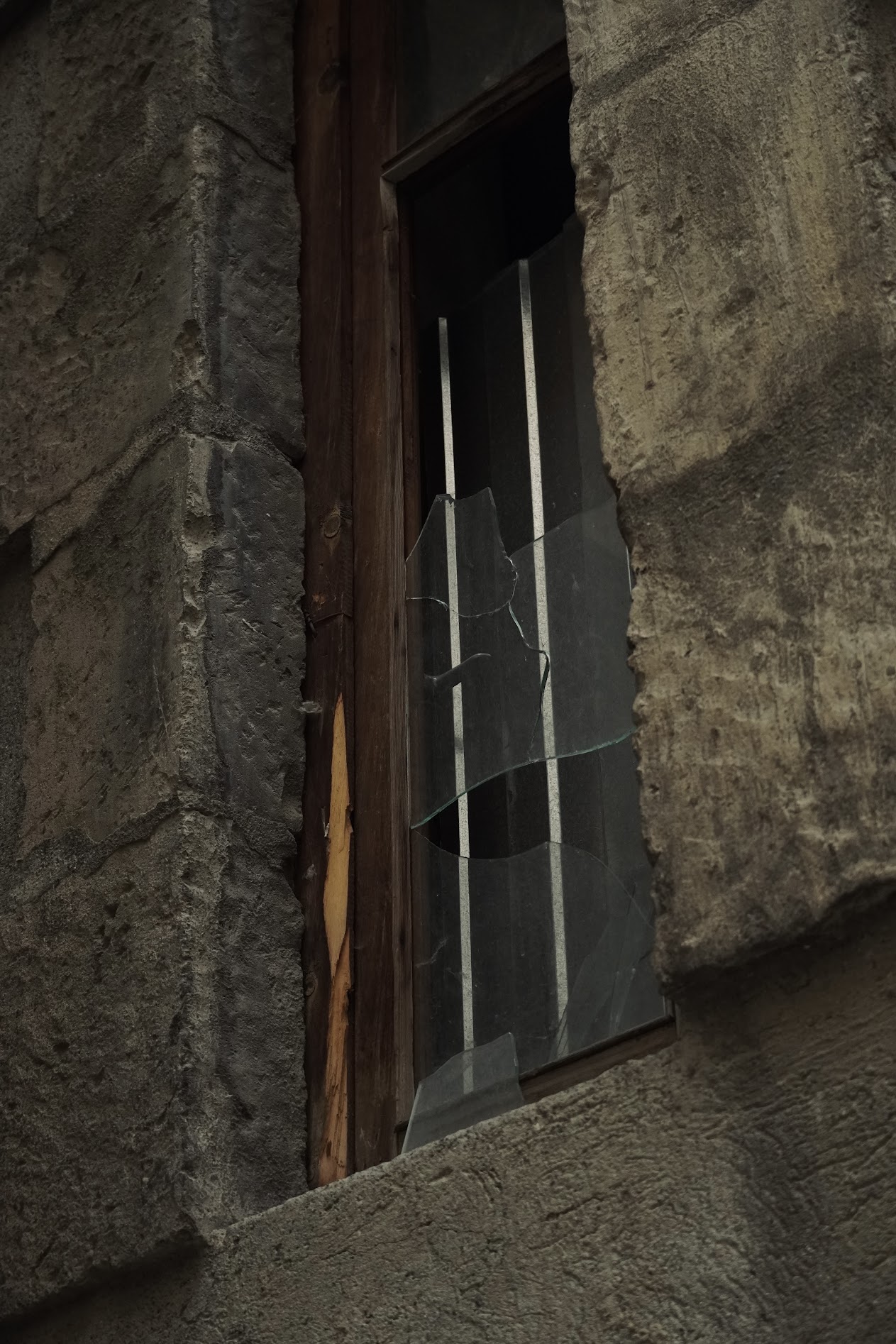
On March 17, 1995 by the order of Vahagn Khachaturian, Chairman of the Executive Committee of the Yerevan City Council (currently RA President), the building is set to alienate via auction. The aim was replenishment of the state budget. In 1996 the building was sold to British-Armenian businessman Vache Manukyan and since then is left abandoned. Manukyan promised to renovate the building within 5 years, which never happened. In 2004 it was included in the state list of Yerevan’s historical and cultural immovable monuments.
After years of being in the shadow of overhead wires and trees, Hripsimian Gymnasium was washed on the exterior early in 2026. The trees were cut and wires removed, outlining the astonishing facade onto the light.
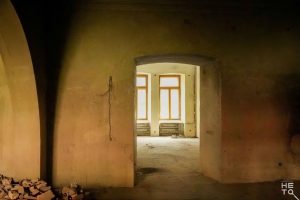
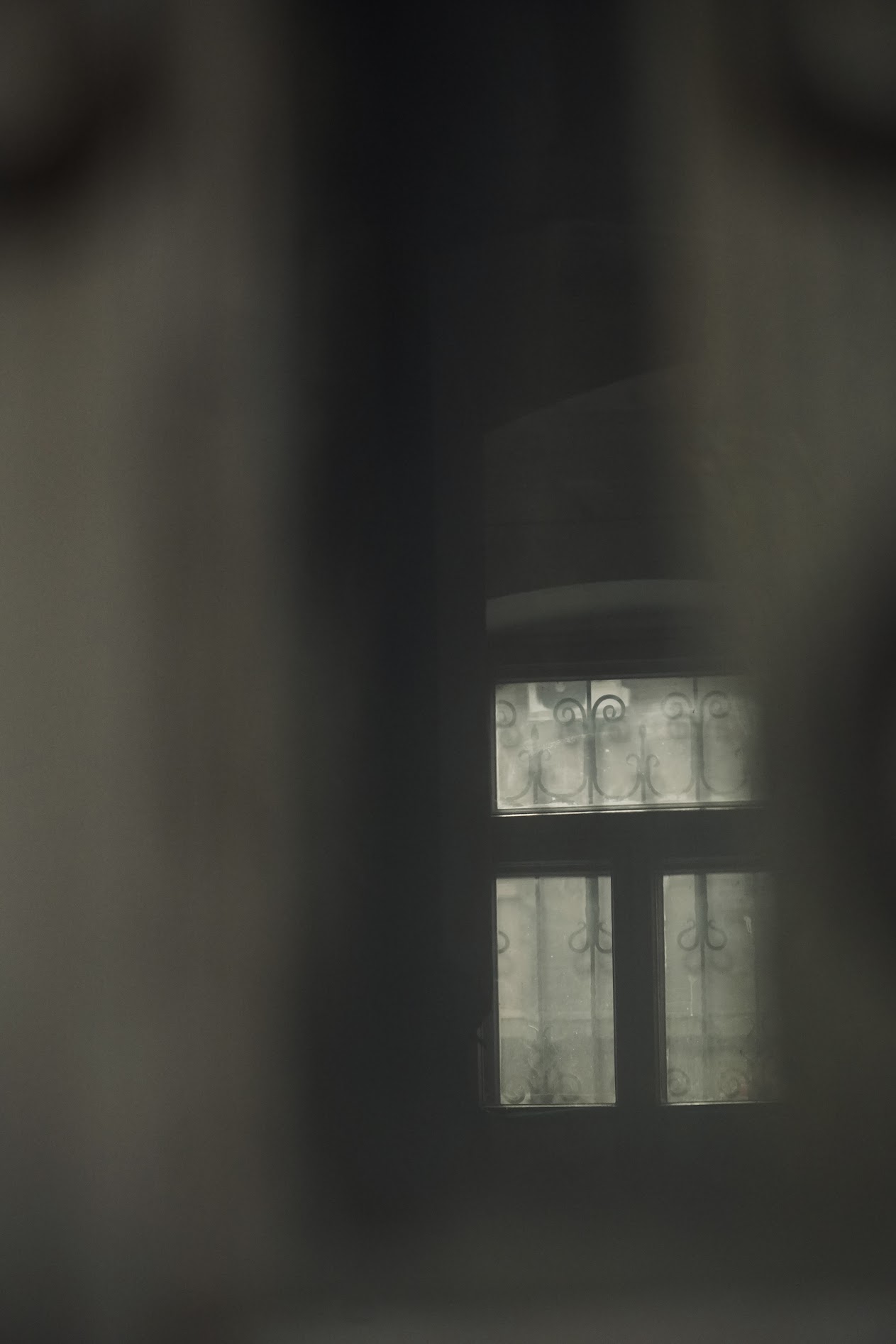
Interior of Hripsimian Gymnasium, Yerevan
The future of the building is foggy. Its name hasn’t been on the state discussion table for a while now. A few local outlets made reportages about the building, aiming to resurrect awareness about it.
SOURCES
- Акопян Т. Х. (1978) Развитие Еревана после присоединения Восточной Армении к России (1801–1917 гг.) | Hakobyan T. H. (1978) The development of Yerevan after the annexation of Eastern Armenia to Russia (1801–1917)
- Гаспарян М․ (2008) Архитектура Еревана XIX – начала XX века | Gasaryan M. (2008) Architecture of Yerevan in XIX to Early XX Centuries
- Bureau of Technical Inventory
- Մկրտչյան Ա․, Պետրոսյան Ա․ (2023) Հռիփսիմյան գիմնազիայի լքված առանգությունը. Հետք մեդիա գործարան | Mkrtchyan A. Petrosyan A. (2023) The Abandoned Legacy of the Hripsimyan Gymnasium. Hetq Media Factory
- Unkn. (1846) Проекта Устава Женского Благотворительного св. Нины Общества в Тифлисе | Unkn. (1846) Project of the Charter of Women’s Charitable Saint Nina, Community in Tiflis
- Mamedova R. (2000) The Birth of the “Woman Question” in Azerbaijan in the 19th Century
- Երևանի պատմության թանգարանի արխիվ | Archive of Yerevan History Museum
- Harutyunyan S. (2021) Women’s education in Yerevan in 19th century
Gohar Adamyan
Being deeply in love with Armenian heritage, I strive to bring its stories to light through documentation and storytelling. I believe in transformative power of journalism to preserve collective memory.