Hungary has once again blocked a €10 million ($11 million) European Union military assistance package for Armenia, using its veto power to block the decision during an EU foreign ministers’ meeting in Luxembourg, according to diplomatic sources cited by RFE/RL’s Armenian Service.
The aid, proposed by EU foreign policy chief Kaja Kallas earlier this year, would be delivered through the European Peace Facility (EPF) and is designed to enhance Armenia’s non-lethal defense capabilities. Approval of the package requires unanimous consent from all 27 EU member states. As of now, only Hungary continues to object.
Diplomatic sources said discussions in Luxembourg failed to yield any movement toward consensus, with Budapest maintaining its opposition to the measure.
This latest package would mark the EU’s second defense assistance effort for Armenia under the EPF. The first, also worth €10 million and approved in July 2023, aimed to support the construction of a field hospital and related infrastructure for a battalion-sized unit in the Armenian Armed Forces, to be implemented over a two-and-a-half-year period. That initial aid was also delayed by Hungary, which reportedly demanded that comparable assistance be extended to Azerbaijan. Budapest lifted its objections only after securing an EU commitment to finance demining operations in Azerbaijan through alternative means.
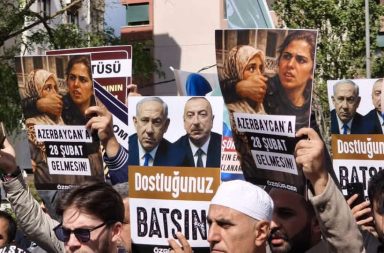
Hungary’s continued veto reflects its broader foreign policy orientation. The government of Prime Minister Viktor Orbán maintains close relations with both Azerbaijan and Turkey and has positioned itself as a dissenting voice within the EU on several issues—including Ukraine support and sanctions on Russia. Notably, Hungary is the only EU country to have consistently voiced open support for Azerbaijan in the Nagorno-Karabakh conflict. Its Foreign Ministry reaffirmed this stance just three days after the outbreak of the 2020 war.
While the EU seeks to strengthen Armenia’s defense posture and civilian protection amid ongoing tensions with Azerbaijan, Hungary’s actions have impeded Brussels’ broader efforts. The EPF, established in 2021, allows the EU to fund military and security-related aid—including non-lethal equipment, training, and infrastructure—for partner nations facing external threats.
Meanwhile, Armenia has been steadily deepening its engagement with the EU. This includes welcoming an EU civilian monitoring mission along its border with Azerbaijan and passing legislation signaling its intention to pursue EU membership. These developments have drawn criticism from Russia, which has historically considered Armenia a key ally in the region and now views its shift toward the West with increasing concern.
Diplomatic relations between Hungary and Armenia remain strained. In 2012, Armenia severed ties after Hungary extradited Azerbaijani soldier Ramil Safarov—convicted of murdering Armenian officer Gurgen Margaryan during a NATO training in Budapest. Safarov received a hero’s welcome and a presidential pardon upon returning to Baku. Although diplomatic ties were formally restored in 2022, the two countries have yet to reopen embassies and continue to operate through non-resident ambassadors.