In the wake of the 2023 forced displacement of over 120,000 ethnic Armenians from Artsakh and the ongoing destruction of Armenian sacred heritage, an international conference titled “International Conference on the Preservation of Armenian Religious, Cultural and HIstorical Heritage in Artsakh/Nagorno Karabakh” was convened in Bern, Switzerland.
Organized by the World Council of Churches and the Protestant Church in Switzerland, in response to the call of the Armenian Apostolic Church, the conference is rooted in principles of human dignity, freedom of religion, and the right to cultural identity.
The final statement of the conference has been published and is a reflection of the actions needed to be taken for the preservation of the Armenian heritage in Artsakh.
Acknowledgement of a Tragic Loss and Bearing Witness
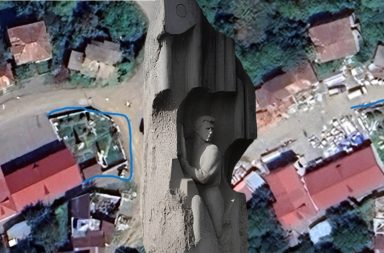
The conference opened with a solemn recognition of the September 2023 Military assault and blockade that led to the mass displacement of over 120,000 ethnic Armenians from Artsakh. Participants bore witness to the erasure of an ancient Armenian Christian presence in the region- reflected in the destruction of churches, monasteries, cemeteries and sacred sites, which have been documented.
Moral and Legal Imperatives
Legal experts and practitioners have reaffirmed that the destruction of cultural heritage is not only a moral affront but a violation of international humanitarian law, potentially amounting to a crime against humanity and an indication of genocidal intent. The conference urged the United Nations, UNESCO, and other international bodies to fulfill their mandates and ensure accountability.
Most importantly, the right of return for displaced Armenians to their ancestral lands – under conditions of safety, dignity and non-discrimination – was also reaffirmed as a cornerstone of international justice.
Moreover, religious leaders from Christian, Jewish, Muslim and Yezidi communities spoke with one voice to emphasise that cultural heritage is not merely physical – it is a living expression of faith, memory and identity.
Calling for Coordinated International Action
The conference issued a series of urgent recommendations:
- UNESCO should deploy an independent monitoring mission to assess the condition of Armenian cultural sites in Artsakh
- Governments and international organisations, including Switzerland, should take diplomatic and legal measures in line with OSCE and other conventions to halt cultural erasure, support the return of displaced Armenians, and demand the release of Armenian hostages in Baku.
- The World Council of Churches is called upon to organise an ecumenical pilgrimage to Armenian holy sites in Artsakh.
- Academic and cultural institutions are urged to expand efforts in documentation, archiving, and public education and to counter cultural appropriation and historical distortion- such as attempts to present Armenian cultural artifacts as Albanian or Proto-Azerbaijani.
- Media outlets were called upon to resist apathy and provide in depth reporting on the root causes and enduring injustices of the Artsakh crisis.
Concluding the conference, participants stressed that the destruction of heritage in conflict zones deepens collective trauma and impedes a long-term reconciliation.
“This is not just a regional concern—it is a global imperative,” one speaker noted. “The heritage of Artsakh belongs to all of humanity. Its protection is our shared responsibility.”
The final statement of the conference, commended to all actors of goodwill, is not merely a record of what has passed – it is a living document of solidarity and prophetic resolve, intended to inspire action, accountability and the preservation of truth in the face of cultural erasure and injustice.