by Davit Beglaryan
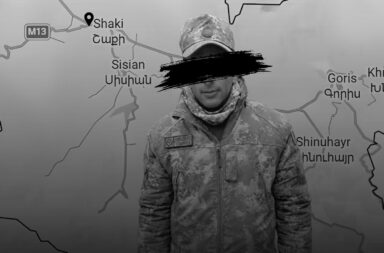
Just one day after an Azerbaijani serviceman illegally crossed into Armenia, reached Shaki in Syunik, entered an Armenian family’s home and shot a woman, Hikmet Hajiyev declared that Armenia’s government must “seriously work” on preparing its people for peace.
Baku is once again lecturing Armenia about peace while refusing to confront what Azerbaijan itself has normalized for years: violence against Armenians being rewarded, defended, reframed or politically forgotten.
In 2004, Azerbaijani officer Ramil Safarov murdered sleeping Armenian officer Gurgen Margaryan with an axe in Budapest. After being extradited to Azerbaijan in 2012, he was pardoned, promoted and given benefits. Years later, an Azerbaijani armed group infiltrated Karvachar in Artsakh, where 17-year-old Smbat Tsakanyan was abducted and killed, Sargis Abrahamyan was killed, and Karine Davtyan was seriously wounded. In 2023, Huseyn Akhundov, one of two Azerbaijani servicemen who illegally crossed into Armenia and murdered Armenian civilian Hayrapet Meliksetyan.
For years, Baku has demanded that Armenia renounce “revanchism,” change its public discourse and prove that it is ready for peace. But that standard is almost never applied to Azerbaijan itself, not after Safarov, not after armed infiltrations and cross-border killings, not after Azerbaijani servicemen entered Armenia and killing or wounding civilians, and not after Azerbaijan’s September 2023 attack forcibly displaced Artsakh’s Armenian population.
If Azerbaijan wants to talk about “peace”, it cannot keep turning that word into a demand placed only on Armenians.
And this is where Pashinyan’s government also has a question to answer.
If Baku can lecture Armenians about being “prepared for peace” one day after an Azerbaijani serviceman entered Armenia, walked into an Armenian family’s home and shot a woman, then what exactly is Yerevan preparing its own people to accept?
“Peace” cannot mean Armenia is constantly told to prove itself while Azerbaijan avoids answering for the violence it rewards, defends and repeats.
At some point, calling this “peace” stops being diplomacy. It becomes the normalization of Armenian silence.